
Beyond the Grandeur: A Journey Through Rashtrapati Bhavan, Its Heritage and the Spirit of Inclusion
October 13, 2026
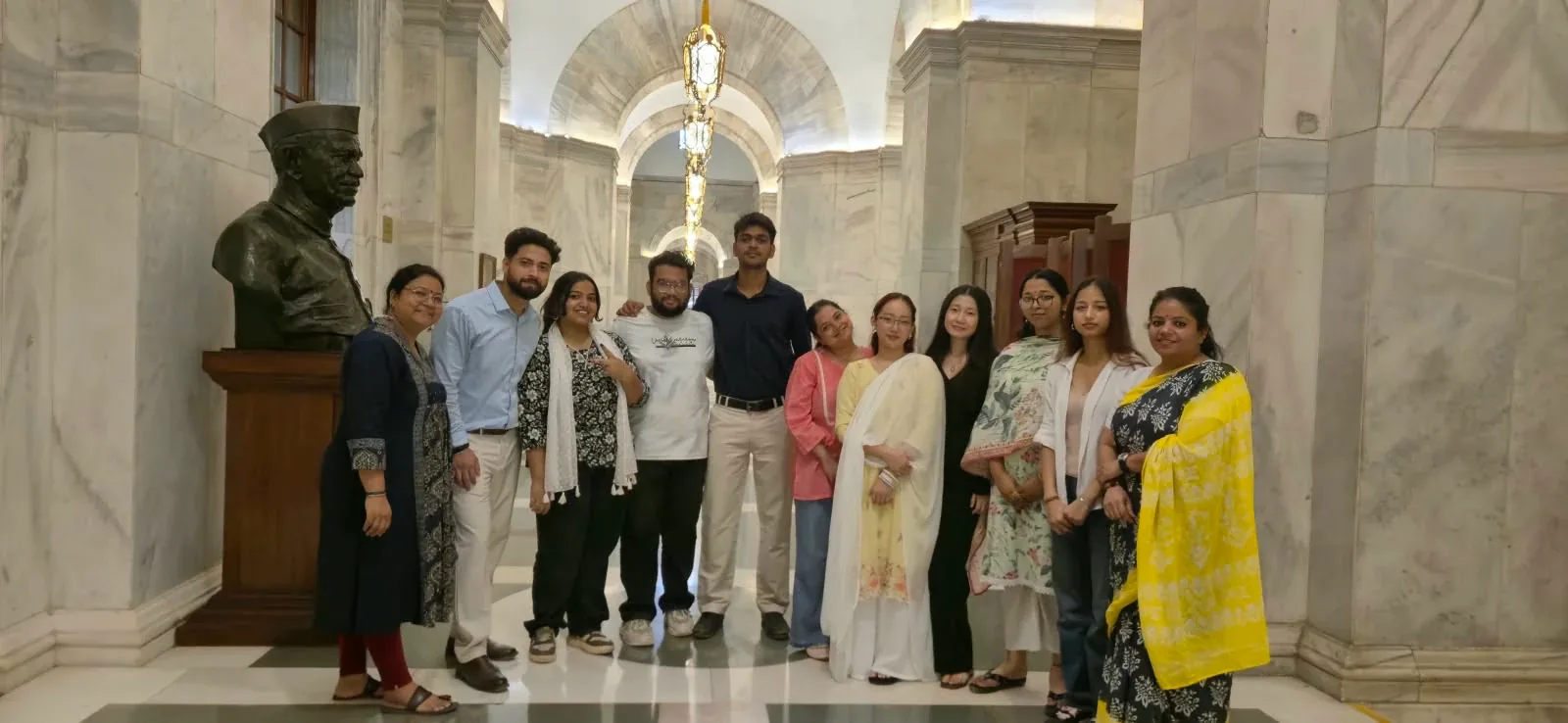
A visit to Rashtrapati Bhavan is more than an opportunity to witness magnificent architecture, it is a journey into India's democratic traditions, cultural heritage and the system that represents the world's largest democracy. My visit to Rashtrapati Bhavan offered an enriching experience, allowing me to explore its historic spaces, understand its functioning and discover how heritage and inclusion come together within this iconic establishment.
Guided by a knowledgeable guide, I explored several important rooms and halls where significant presidential engagements take place, including meetings, official ceremonies and formal gatherings. Walking through the spaces associated with the President's oath-taking ceremony and other official functions offered a closer understanding of the institution's responsibilities and traditions. The visit also provided insights into the residential areas, including the family wing, and the arrangements that support the President's official and personal life. Every space reflected a careful blend of architectural elegance, cultural identity and administrative purpose.
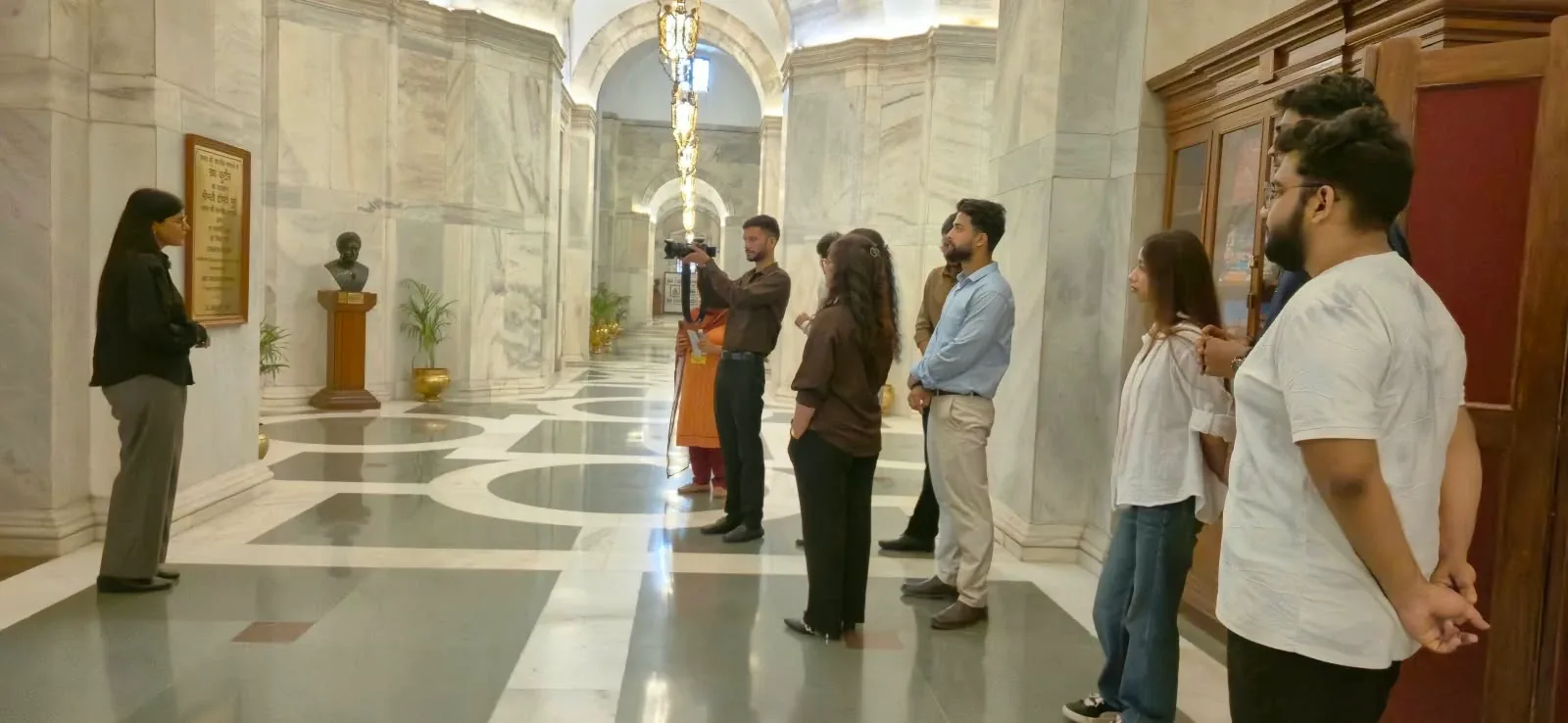
One of the most memorable parts of the visit was Granth Kutir, the library dedicated to India's 11 classical languages. Housing a rich collection of books, it represents the country's literary and intellectual heritage. Exploring this space highlighted the importance of preserving India's diverse languages, traditions and knowledge systems for future generations. The elaborate architectural details, unique patterns and thoughtful design throughout Rashtrapati Bhavan further reflected the country's cultural richness.
Beyond its grandeur, the visit offered an equally meaningful experience at Mitti Cafe, located within the Rashtrapati Bhavan complex. Built around the idea of inclusion and the "Magic of Abilities," the cafe celebrates the potential of people with disabilities by creating opportunities for meaningful employment and independence. Its welcoming atmosphere and inspiring purpose made it stand out as more than just a cafe. It was a reminder that true inclusion means recognising people's abilities, creating equal opportunities and allowing everyone to contribute with confidence and dignity. The experience highlighted how a simple everyday space can communicate a powerful social message.
The visit continued at the Rashtrapati Bhavan Museum, which offered another perspective on India's presidential legacy, history and heritage. Through its collections, historical artefacts and interactive displays, the museum brings important moments and stories to life. It provides visitors with an opportunity to understand the evolution of the institution and appreciate the people, traditions and events associated with India's democratic journey.
What made the overall experience particularly special was the opportunity to see these different dimensions together: the institution's grandeur, the preservation of India's cultural heritage, the functioning of the presidential system and the importance of social inclusion.
The visit left me with a deeper appreciation of Rashtrapati Bhavan, more than the official residence of the President of India, but as a symbol of the nation's democratic values, cultural diversity and evolving social vision. It was an experience that combined learning with inspiration and strengthened an important thought — the true beauty of a nation lies not only in its historic buildings, but also in the values, people and stories they represent.