India’s Dry States and the Spurious Liquor Crisis
October 10, 2026
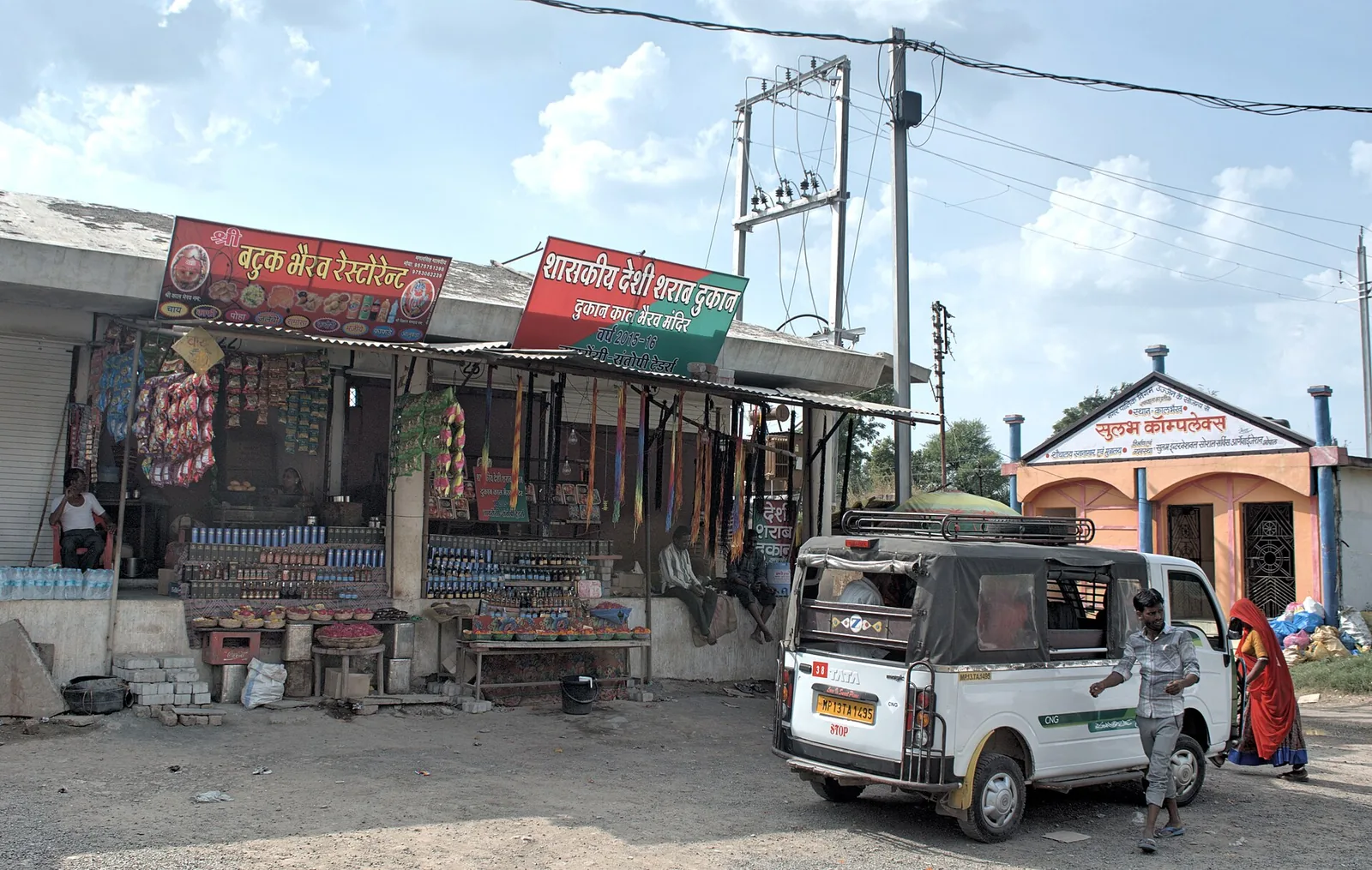
India’s dry states have recently had grim and tragic incidents making their way to the headlines. States like Nagaland, Gujarat and Bihar has seen a pattern in the wave of spurious liquor deaths. In Gujarat, a state that has legally banned alcohol since 1960, has left families in Bhavnagar devastated after Methanol laced liquor was sold in counterfeit bottles. Barely a month later, Nagaland a dry state since 1989, saw a devastating mass-poisoning from consuming spurious liquor that claimed over 19 lives across the districts of Mokokchung and Tuensang. While samples were sent for forensic examination, methanol was subsequently detected. Meanwhile Bihar continues to face illegal liquor fatalities due to unsecured and porous borders with neighbouring wet states and Nepal.
On paper these regional bans are designed to strictly and completely prohibit the consumtion of alcohol however, the recurring nature of such incidents raises a basic question that cannot be answered only through arrests and raids: why is the state bodies repeatedly failing to prevent dangerous alcohol from reaching consumers? The irony here is difficult to ignore. Alcohol is prohibited in these areas in the name of public health and safety but the alcohol that gets circulated underground is far more dangerous because there is no quality control for it. The problem arises in the fact that eliminating liquor doesnt eliminate demand. When the state bans alcohol, consumers find an alternative which is the illegal market which brings bigger consequences.
Prohibition creates an absolute supply gap without necessarily changing consumer behaviour. People who already consume alcohol do not automatically stop because a law was changed. Instead, consumers go outside of the legal system to meet their demands and that change has serious repercussions. A legal alcohol market, whatever its social impacts may be, operates through licensed manufacturers with regulated production, taxation, packaging standards and quality control. However, once the same demand moves into an illegal market, these safety measures disappear. Consumers may not know where the product was made, what it contains or who supplied it.
This creates space for organised networks outside the legal framework. The Bhavnagar investigation for example, showed how illicit liquor could involve more than a single local seller. Police were investigating the supply of methanol, other raw materials, equipment, bottles and packaging used to produce and distribute counterfeit liquor.
These tragedies are not simply the result of poor hygiene or unrefined brewing. Methanol is a toxic form of alcohol used for industrial purposes. When ingested in dangerous quantities, it can cause severe metabolic poisoning, blindness, coma and death. The World Health Organization has repeatedly documented outbreaks in which methanol was added to illegally produced alcoholic drinks.
This makes the issue more serious than the familiar image of a local bootlegger producing an unsafe drink. The illicit liquor economy can involve access to industrial chemicals, transport networks, counterfeit packaging and distribution channels. It becomes a supply chain operating outside the state’s regulatory vision.
Punishment is not the same as prevention
Law enforcement as a result is fighting an asymmetric battle. Police and excise departments are expected to identify illegal producers, monitor transport routes, investigate chemical supplies and prevent distribution, often across state borders. Gujarat has to deal with liquor moving through neighbouring states where alcohol is legally available. Nagaland faces a similar geographical problem, with interstate movement taking place through difficult terrain and long borders. The Bharatiya Nyaya Sanhita contains provisions dealing with the adulteration and sale of harmful food or drink, although these provisions themselves do not prescribe the extreme penalties sometimes associated with liquor deaths. Much stronger punishment comes from state specific prohibition and excise laws.
Bihar’s Prohibition and Excise Act, for example, provides punishment extending to life imprisonment and substantial fines for dealing in spurious liquor and for mixing poisonous substances with liquor when death or serious injury results.Tamil Nadu also amended its prohibition law in 2024, providing for punishment extending to life imprisonment and fines of up to Rs 10 lakh for serious illicit liquor offences where death occurs. Yet the existence of harsh punishment does not automatically dismantle an illegal market. When an illegal product generates enough profit, sellers can continue to accept the risk of arrest. Enforcement then becomes a cycle of seizure, arrest and replacement. The people at the bottom of the network are caught, while the wider supply system adapts.
The problem does not belong only to dry states. Tamil Nadu is not a dry state, yet the Kallakurichi tragedy of 2024 showed that legal availability does not automatically eliminate the illicit market. At least 68 people eventually died after consuming methanol laced liquor. The economic factor was significant as reports from Kallakurichi showed that many victims were daily wage workers who could not afford legal and regulated liquor. Illegal liquor was considerably cheaper and was available at hours when government outlets were closed. States where alcohol is legally available can still create an affordability gap when taxation and retail prices push poorer consumers towards cheaper illegal alternatives. The two situations are different, but they can lead to the same destination. A person unable to access legal alcohol because it is prohibited and a person unable to afford legal alcohol because of its price may eventually encounter the same unregulated seller.
In both cases, the consumer loses the protection offered by a regulated supply system.
The repeated tragedies point towards a larger governance failure. The central problem is not simply that people consume alcohol or that police are not conducting enough raids.
It is that the state has struggled to control the supply systems surrounding illegal alcohol and the industrial chemicals that can make it lethal. A stronger response would have to be something beyond punishment. Industrial methanol needs tighter end to end tracking from manufacturers and distributors to legitimate end users. Digital records, transaction monitoring, industrial audits and stronger checks on suspicious purchases could make diversion easier to detect. Chemical suppliers, transporters and industrial users should form part of the enforcement chain rather than being treated as separate from liquor control. The same principle applies to enforcement itself. Police, excise authorities, chemical regulators, health departments and neighbouring states need systems that allow information to move quickly.
A tragedy should not be the first point at which authorities discover an illegal supply network. India does not need another cycle in which deaths are followed by arrests, raids and harsher laws, only for the same market to return elsewhere. The Bharatiya Nyaya Sanhita and state prohibition laws can punish those responsible, but punishment addresses the aftermath. It does not prevent toxic chemicals from entering the illegal market. It does not matter only how strict the alcohol laws are on paper. What matters is whether those laws actually prevent people from being harmed by illegal or unsafe alcohol.
Public health must move faster than public perception.